




Ohio homeowners know that temperatures can shift quickly, from freezing winters to hot, humid summers. For homeowners researching vinyl siding in Columbus, OH, understanding how siding reacts to seasonal temperature changes can help support more confident exterior planning decisions.
Vinyl siding is designed to accommodate seasonal movement, which is one reason it remains a common choice for homes throughout Central Ohio. When installed correctly, the material is able to expand and contract gradually as temperatures change while maintaining consistent exterior coverage.
Why Temperature Changes Matter for Vinyl Siding Performance
Vinyl siding is designed to respond to changing temperatures. This flexibility is one of the reasons it performs reliably under typical seasonal conditions.
During warmer months, siding panels expand slightly. In colder temperatures, they contract. Proper installation allows this movement to occur naturally without affecting panel alignment or overall appearance.
When installed correctly, vinyl siding maintains stable performance through normal seasonal changes. The material is designed to move gradually as temperatures shift, helping maintain consistent panel alignment and exterior coverage throughout the year.
It is important for homeowners to understand the material’s limitations as well. Standard vinyl siding performs well in typical seasonal conditions but is not engineered for extreme conditions beyond normal weather patterns. Understanding how vinyl siding handles seasonal weather changes can help homeowners set more realistic expectations for long-term exterior performance.
What Happens to Vinyl Siding During Colder Temperatures
Winter conditions can bring freezing temperatures, snow, and occasional ice accumulation. During colder months, siding panels contract slightly and become less flexible than they are during warmer temperatures. This change is expected and is part of how the material naturally responds to seasonal conditions.
Because impact resistance decreases during extreme cold, very large hail or sharp impacts can sometimes cause cracking. However, properly installed vinyl siding continues to perform reliably throughout normal winter conditions.
Some homeowners evaluating siding materials also explore insulated or higher-performance exterior options. Products such as Alside Ascend composite siding include an insulated core and are designed for greater impact and wind resistance compared to standard vinyl siding.
For many homeowners, however, standard vinyl siding continues to provide a practical balance of appearance, flexibility, and long-term maintenance expectations.
How Summer Heat Affects Vinyl Siding Expansion
Summer temperatures naturally cause vinyl siding panels to expand. This movement is expected and accounted for during installation.
Proper installation allows siding panels to expand naturally without affecting alignment or appearance. Spacing, fastening methods, and trim placement all influence how consistently the siding performs during warmer temperatures.
Improper installation is often the primary cause of issues such as buckling or uneven panel lines. Correct fastening techniques help ensure siding maintains a clean and balanced appearance throughout the hottest parts of the year.
Installation Quality Plays an Important Role
Installation quality has a significant effect on how vinyl siding performs throughout the year. Proper spacing and fastening allow the material to expand and contract naturally as temperatures change. When siding is installed correctly, panels remain aligned and maintain consistent exterior coverage through both summer heat and winter cold.
Trim placement, flashing details, and ventilation systems also influence long-term performance. These components work together to support airflow and moisture management behind the siding system.
Homeowners who want additional insulation may choose to install foam backer board behind standard vinyl siding. Insulated vinyl products such as Craneboard® by Royal Siding include built-in insulation, while Alside Ascend composite siding includes an integrated insulated core.
Simple Maintenance Through Every Season
Seasonal maintenance expectations for vinyl siding are relatively straightforward. Periodic cleaning with mild soap and a garden hose is typically sufficient to remove dirt, pollen, and seasonal buildup from exterior surfaces.
Power washing is not recommended, as excessive pressure can force water behind siding panels or affect panel alignment over time.
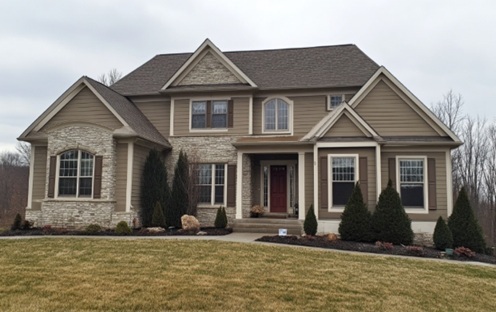
With proper installation and occasional cleaning, vinyl siding can maintain a consistent appearance throughout changing seasons.
Making Confident Choices for Year-Round Performance
Seasonal temperature changes are part of everyday life, but properly installed siding is designed to accommodate those shifts while maintaining reliable exterior coverage.
For homeowners evaluating vinyl siding in Columbus, OH, understanding how siding materials respond to seasonal movement can make exterior planning decisions more straightforward. Proper installation, thoughtful material selection, and realistic performance expectations all contribute to long-term exterior consistency.
Columbus Windows and Siding Company provides vinyl siding installation and composite cladding solutions for homeowners throughout Central Ohio. To schedule a vinyl siding consultation for your home, call (614) 453-5332.